
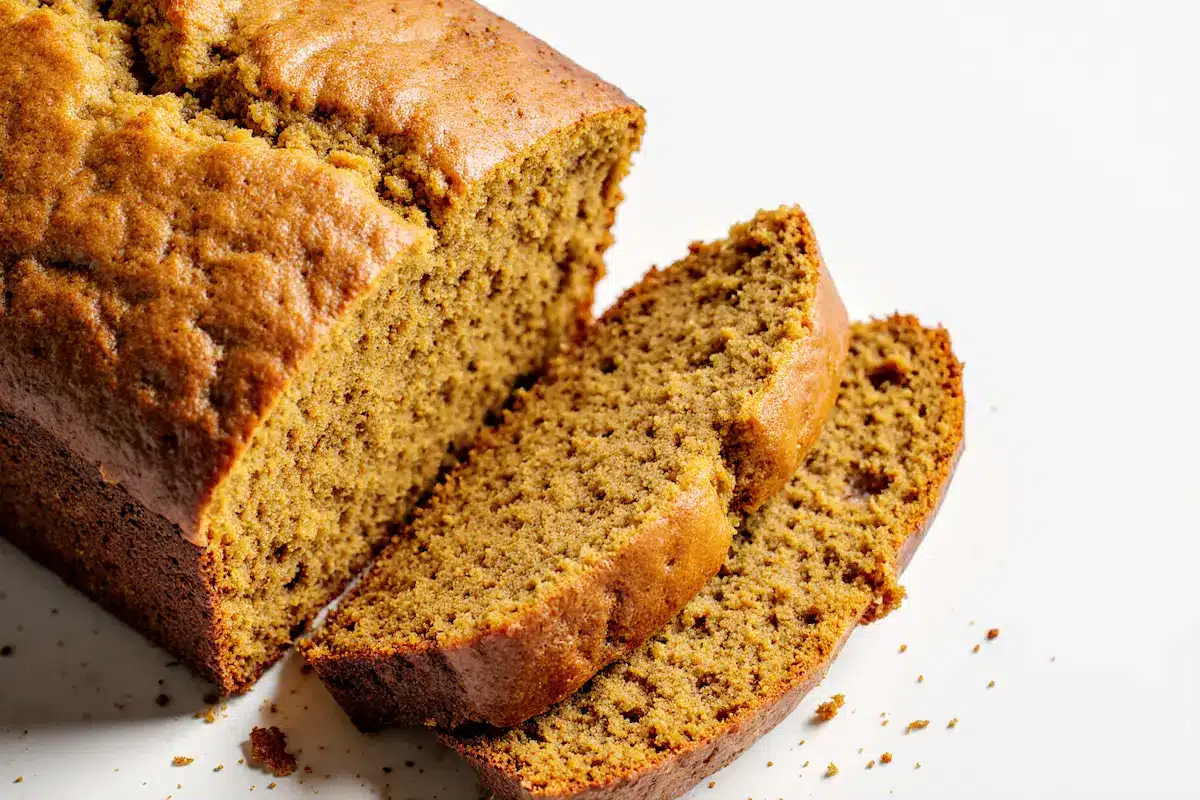
Libby’s Pumpkin Bread represents the gold standard of autumn baking, transforming simple ingredients into a moist, spiced masterpiece that captures the essence of fall in every bite. This comprehensive guide will take you through everything you need to know about creating the perfect Libby’s Pumpkin Bread, from understanding the science behind each ingredient to mastering advanced techniques that ensure bakery-quality results every single time. Whether you’re a novice baker or a seasoned professional, this definitive resource will elevate your pumpkin bread game to new heights, providing you with the knowledge, techniques, and troubleshooting skills needed to create consistently exceptional loaves that will become the centerpiece of your autumn baking repertoire.
The Rich History of Libby’s Pumpkin Bread
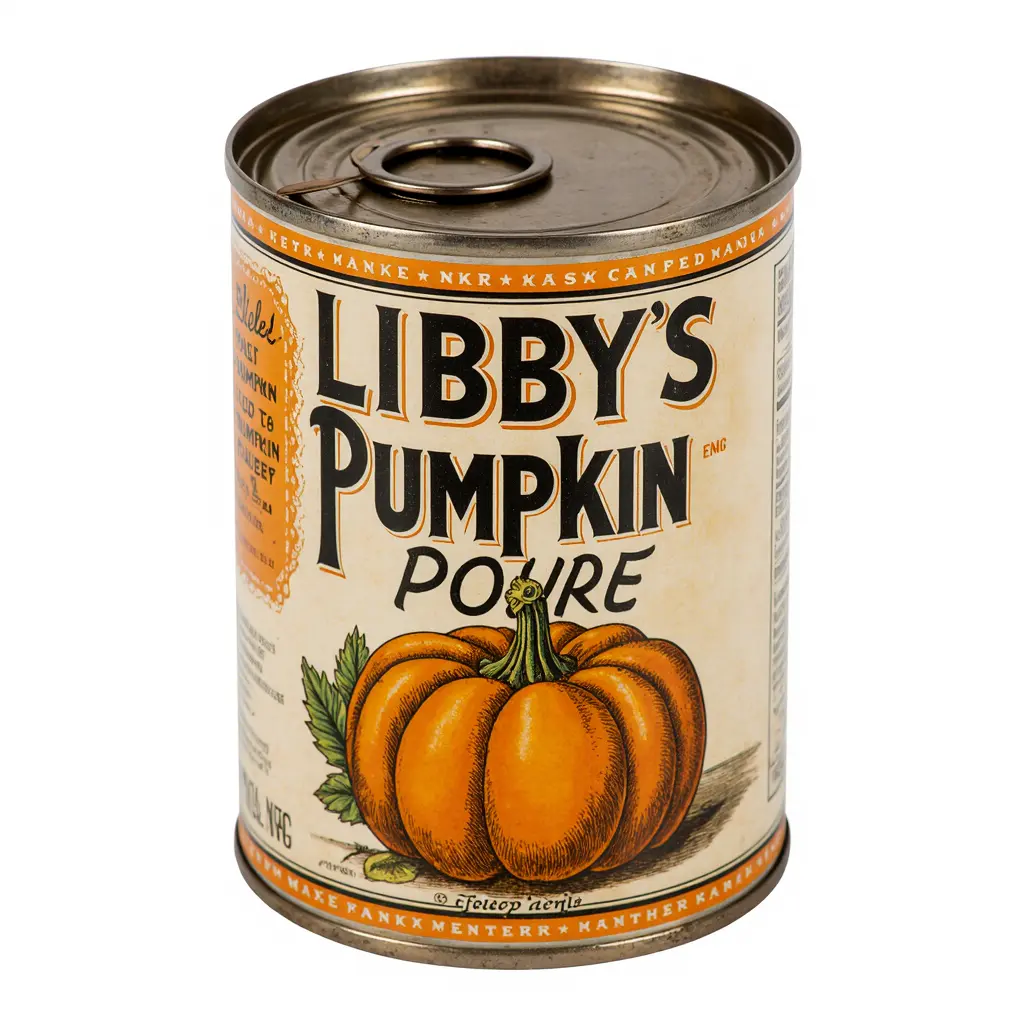
The story of Libby’s Pumpkin Bread is deeply intertwined with American culinary history, dating back to the early 20th century when Libby’s first began canning pumpkin puree in 1929. This revolutionary product made pumpkin accessible year-round, transforming seasonal baking into an everyday possibility. The original recipe for Libby’s pumpkin bread appeared on the can label in the 1950s, quickly becoming a household staple that defined comfort baking for generations of American families.
What makes this recipe particularly significant is its role in democratizing gourmet baking. Before Libby’s pumpkin puree, creating pumpkin-based baked goods required the laborious process of roasting, peeling, and pureeing fresh pumpkins – a time-consuming task that limited pumpkin baking to harvest season. The convenient canned puree opened up new possibilities, allowing home bakers to create restaurant-quality pumpkin bread with consistent results regardless of season or skill level.
The cultural impact of Libby’s Pumpkin Bread extends far beyond mere convenience. It became a symbol of American ingenuity in the kitchen, representing the post-war era’s embrace of modern convenience foods without sacrificing quality or tradition. The recipe has been passed down through families, adapted by countless bakers, and remains one of the most searched-for pumpkin recipes on the internet. This enduring popularity speaks to the recipe’s perfect balance of simplicity and sophistication, delivering complex flavors through straightforward techniques that any home baker can master.
Today, Libby’s Pumpkin Bread continues to evolve while maintaining its classic appeal. Modern variations incorporate global flavors, dietary accommodations, and contemporary baking techniques, yet the fundamental appeal remains unchanged: a moist, aromatic loaf that embodies the warmth and comfort of autumn baking.
Libby’s Pumpkin Bread
Libby’s Pumpkin Bread is a timeless autumn classic — moist, warmly spiced, and easy to make. This definitive guide walks you through perfecting the loaf, from ingredient science to baking tips, ensuring a tender crumb and bakery-quality flavor every time.
- 9×5-inch loaf pan
- large mixing bowls
- whisk
- rubber spatula
- measuring cups and spoons
- Wire rack
- toothpick or kitchen thermometer
- 1 3/4 cups all-purpose flour
- 1 tsp baking soda
- 1/2 tsp salt
- 1 tsp ground cinnamon
- 1/2 tsp ground nutmeg
- 1/4 tsp ground ginger
- 1/4 tsp ground cloves
- 1 2/3 cups granulated sugar
- 1/2 cup vegetable oil
- 2 large eggs
- 15 oz can Libby’s pumpkin puree
- 1/2–3/4 cup optional add-ins (chopped walnuts, chocolate chips, or dried cranberries)
Preheat oven to 350°F (175°C). Grease and flour a 9×5-inch loaf pan. Bring eggs and oil to room temperature.

In a large bowl, whisk together flour, baking soda, salt, cinnamon, nutmeg, ginger, and cloves.
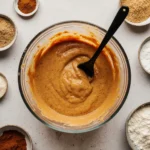
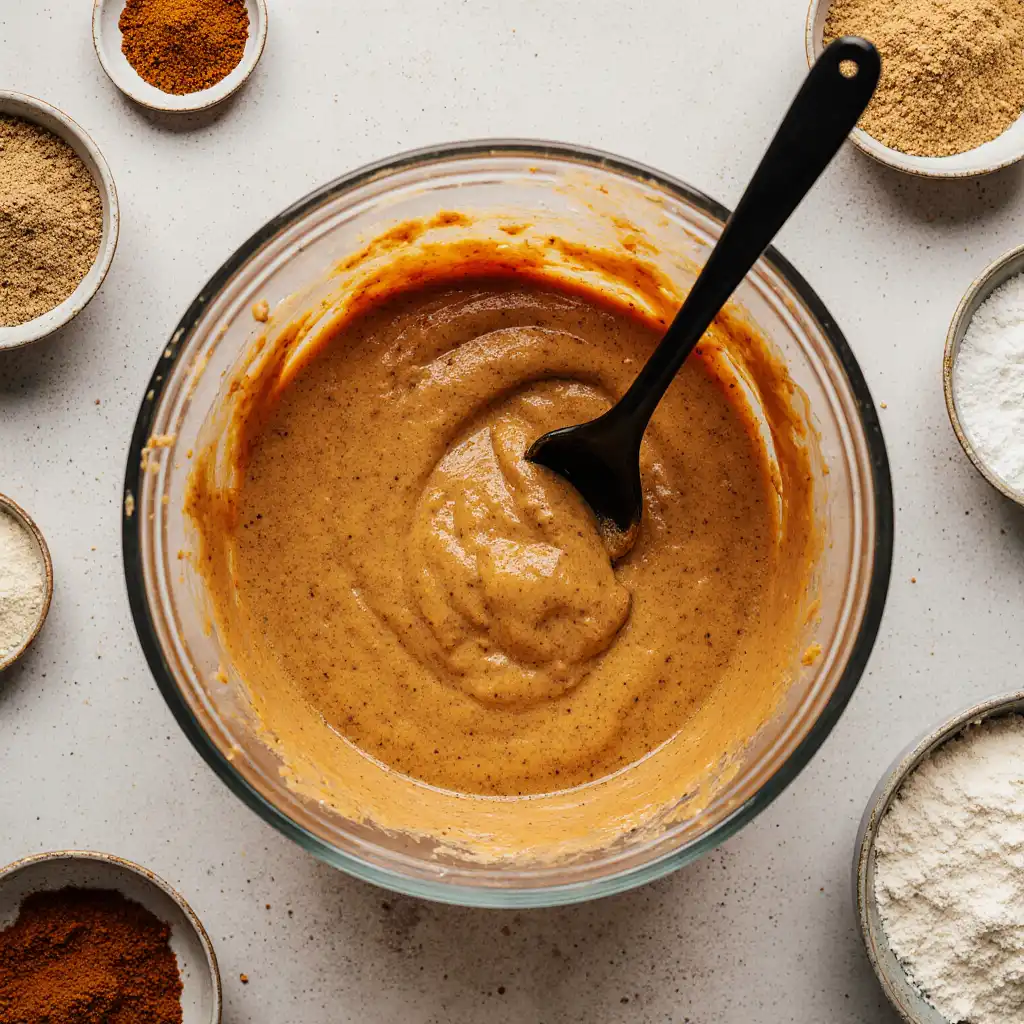
In another bowl, whisk sugar, oil, eggs, and pumpkin puree until smooth and well combined.
Fold dry ingredients into wet mixture in two additions, stirring gently until just combined. Do not overmix.
If using mix-ins, toss with flour and fold into batter.
Pour batter into prepared pan, smooth top, and tap pan to release air bubbles. Optionally, make a shallow center depression.
Bake for 60–70 minutes until a toothpick comes out with moist crumbs or internal temperature reaches 200–205°F (93–96°C).
Cool in pan 10 minutes, then transfer to a wire rack to cool completely before slicing.
For variations, try chocolate chip, maple pecan, or cream cheese swirl versions. Always allow the loaf to cool completely before slicing for the best texture. Wrap well for storage, as the high moisture content makes pumpkin bread prone to staling if left uncovered. Freezes beautifully for up to 3 months.
Understanding the Ingredients in Libby’s Pumpkin Bread
The magic of Libby’s Pumpkin Bread lies in the careful selection and interaction of its ingredients, each playing a crucial role in creating the final texture, flavor, and appearance. Understanding these components at a molecular level allows you to make informed adjustments and achieve consistently perfect results.
Libby’s Pumpkin Puree serves as the foundation, providing not only the signature flavor but also crucial moisture and natural emulsifiers. The puree contains natural pectin, which helps bind the ingredients and creates the characteristic dense yet tender crumb. Its natural sugars contribute to browning through the Maillard reaction, developing the beautiful golden crust that makes Libby’s Pumpkin Bread so visually appealing.
The flour component creates the structural backbone through gluten development. All-purpose flour provides the ideal protein content (10-12%) for quick breads, offering enough structure without creating toughness. Understanding flour types and their protein content is crucial for achieving the perfect texture. The proteins form a network when moistened and mixed, creating the framework that holds the bread together while allowing for the tender crumb characteristic of excellent pumpkin bread.
Sugar serves multiple functions beyond sweetness. It tenderizes the crumb by interfering with gluten development, retains moisture through its hygroscopic properties, and contributes to the golden-brown color through caramelization. The combination of granulated sugar and brown sugar in many variations adds complexity, with molasses notes complementing the pumpkin’s earthiness.
Eggs act as both binding agents and leavening contributors. The proteins coagulate during baking to set the structure, while the lecithin in egg yolks serves as a natural emulsifier, helping to create a smooth, cohesive batter. The moisture content in eggs also contributes to the bread’s characteristic tenderness.
Oil, rather than butter, is typically used in Libby’s Pumpkin Bread for several scientific reasons. Oil remains liquid at room temperature, creating a more tender crumb and longer shelf life. It also doesn’t compete with the pumpkin flavor, allowing the spices and pumpkin to remain the stars of the show.
The spice blend – typically cinnamon, nutmeg, ginger, and cloves – creates the complex flavor profile that defines autumn baking. These spices contain volatile oils that become more pronounced when heated, creating the aromatic experience that makes Libby’s Pumpkin Bread so memorable. The key is balancing these flavors so no single spice dominates while still creating depth and warmth.
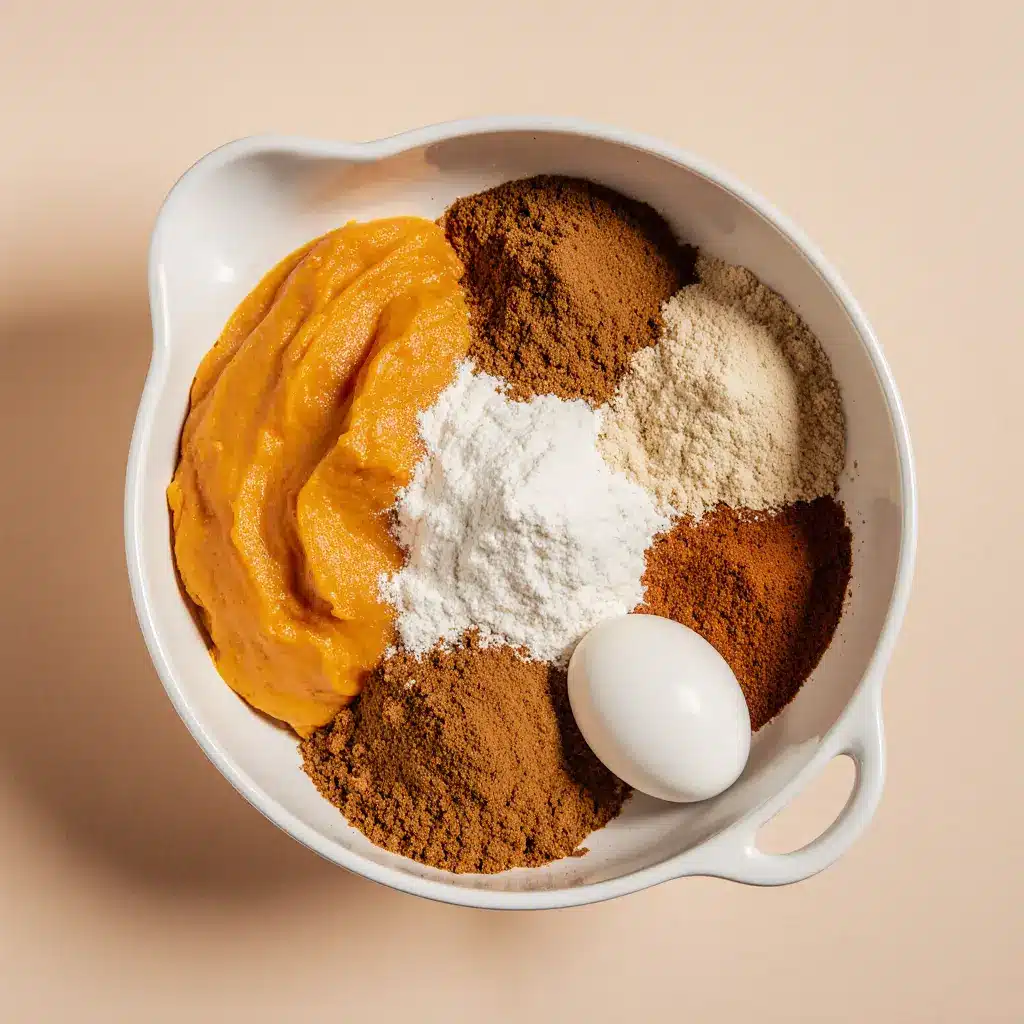
The Master Protocol: A Step-by-Step Guide to Perfect Libby’s Pumpkin Bread
Creating exceptional Libby’s Pumpkin Bread requires precision, timing, and attention to detail. This master protocol has been refined through countless test batches to ensure consistent, bakery-quality results every time.
- Prepare Your Environment and Equipment. Begin by preheating your oven to 350°F (175°C) and positioning the rack in the lower third of the oven. This positioning allows for even heat distribution and proper browning without over-darkening the top. Grease a 9×5-inch loaf pan thoroughly with butter or cooking spray, then dust lightly with flour, tapping out excess. This double protection prevents sticking and ensures clean release. Room temperature ingredients mix more easily and create a smoother batter, so remove eggs and oil from refrigeration 30 minutes before beginning.
- Combine and Sift Dry Ingredients. In a large bowl, whisk together 1¾ cups all-purpose flour, 1 teaspoon baking soda, ½ teaspoon salt, 1 teaspoon ground cinnamon, ½ teaspoon ground nutmeg, ¼ teaspoon ground ginger, and ¼ teaspoon ground cloves. Sifting or thorough whisking ensures even distribution of leavening agents and spices, preventing pockets of concentrated flavor or uneven rising. The baking soda reacts with the acidity naturally present in pumpkin puree, creating lift and tenderness.
- Create the Wet Ingredient Base. In a separate large bowl, whisk together 1⅔ cups granulated sugar, ½ cup vegetable oil, 2 large eggs, and 1 can (15 oz) of Libby’s pumpkin puree until completely smooth and well-combined. This step is crucial – any lumps or streaks will result in uneven texture in the finished bread. The order matters: sugar first helps break down the eggs, while adding oil gradually prevents separation.
- Execute the Critical Fold. Add the dry ingredients to the wet ingredients in two additions, folding gently with a rubber spatula until just combined after each addition. Overmixing develops too much gluten, resulting in tough, dense bread. Stop mixing as soon as no dry flour streaks remain – a few small lumps are acceptable and will dissolve during baking.
- Add Optional Enhancements. If including mix-ins like chopped walnuts, chocolate chips, or dried cranberries, fold in ½ to ¾ cup at this stage. Toss add-ins with a small amount of flour before incorporating to prevent them from sinking during baking. This coating helps distribute them evenly throughout the loaf.
- Transfer and Shape for Optimal Baking. Pour the batter into your prepared pan, using a spatula to spread it evenly into corners. Gently tap the pan on the counter 2-3 times to release air bubbles and level the surface. Create a slight depression down the center with a knife or spatula – this prevents the characteristic crack that can make slicing difficult.
- Bake with Precision Monitoring. Place in the preheated oven and bake for 60-70 minutes, until a toothpick inserted in the center comes out with just a few moist crumbs attached. The internal temperature should reach 200-205°F (93-96°C). Avoid opening the oven door for the first 45 minutes, as temperature fluctuations can cause collapse. If the top browns too quickly, tent with aluminum foil during the final 15 minutes.
- Cool for Optimal Texture. Cool in the pan for 10 minutes, then turn out onto a wire rack to cool completely. This initial pan cooling allows the structure to set, while complete cooling on a rack prevents soggy bottoms. Resist the urge to slice while warm – the texture continues to develop as it cools, and warm bread will be gummy and difficult to slice cleanly.
Variations to Elevate Your Libby’s Pumpkin Bread
While the classic Libby’s Pumpkin Bread recipe is perfection in its simplicity, creative variations can transform this beloved base into exciting new experiences that surprise and delight. These modifications maintain the essential character while introducing complementary flavors and textures.
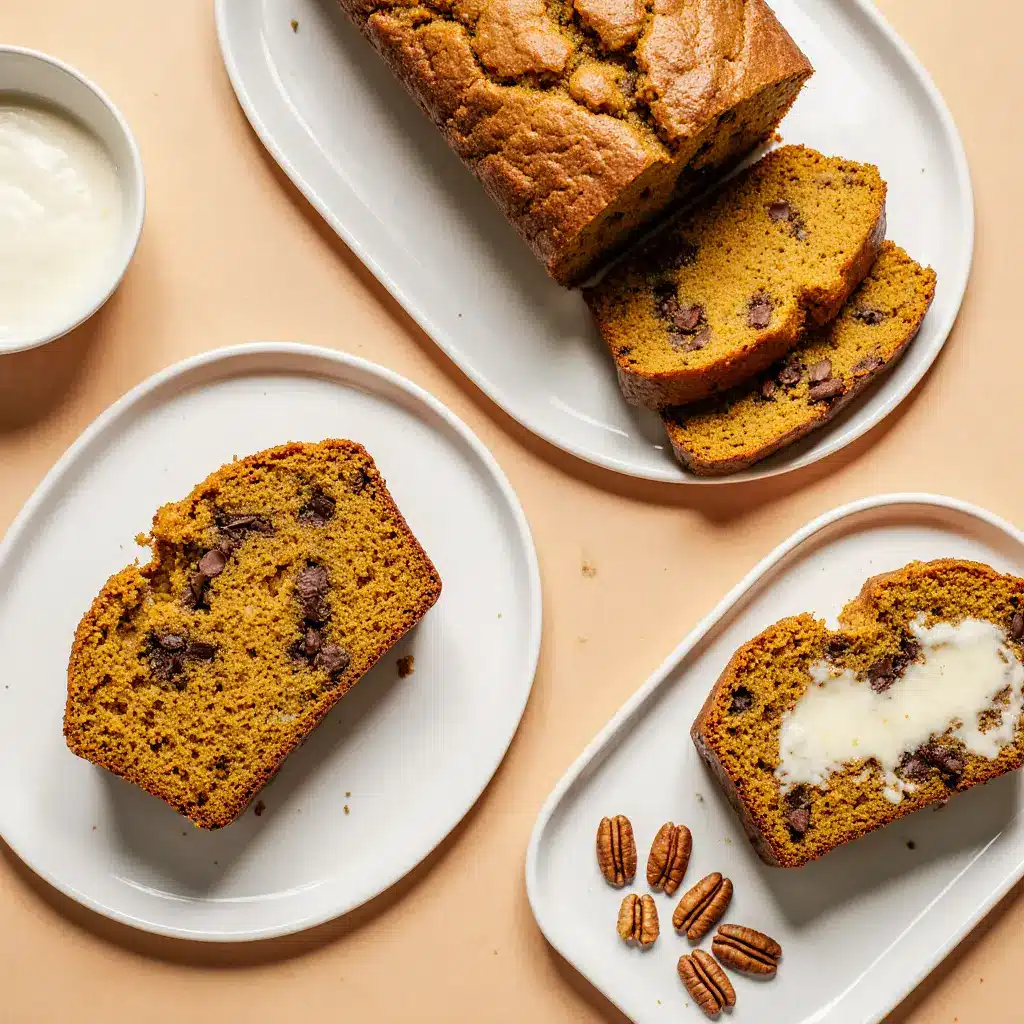
The Chocolate Chip Pumpkin Bread variation adds ¾ cup of semi-sweet chocolate chips, creating pockets of rich sweetness that complement the spiced pumpkin beautifully. For best results, toss the chips in flour before folding them in, preventing them from sinking to the bottom during baking.
For those seeking sophistication, try the Maple Pecan Pumpkin Bread by substituting ½ cup of the granulated sugar with pure maple syrup and folding in ½ cup of toasted, chopped pecans. The maple adds depth and complexity while the pecans provide textural contrast and nutty richness.
The Cream Cheese Swirl Variation elevates Libby’s Pumpkin Bread to dessert status. Create a cream cheese mixture with 8 oz softened cream cheese, ⅓ cup sugar, and 1 egg. Layer half the pumpkin batter, add dollops of cream cheese mixture, top with remaining batter, and swirl with a knife for beautiful marbled results.
International flavors can transform your bread entirely. Try a Chai-Spiced Version by adjusting the spice blend to include cardamom, black pepper, and increased ginger, creating an aromatic experience reminiscent of Indian chai tea. For those who enjoy our pumpkin spice recipe guide, this variation offers exciting new territory to explore.
Health-conscious bakers can create a Whole Grain Version by substituting half the all-purpose flour with white whole wheat flour and adding 2 tablespoons of ground flaxseed for additional nutrition without compromising texture.
Troubleshooting Common Libby’s Pumpkin Bread Issues
Even experienced bakers occasionally encounter challenges when making Libby’s Pumpkin Bread. Understanding common issues and their solutions ensures consistent success and helps you develop troubleshooting instincts for future baking adventures.
Dense, Heavy Texture: This usually results from overmixing the batter or using too much flour. Overmixing develops excess gluten, creating a tough, chewy texture instead of the desired tender crumb. Measure flour by the spoon-and-level method rather than scooping directly from the bag, which can pack up to 30% more flour into your measuring cup. If your bread consistently turns out dense, try reducing the flour by 2-4 tablespoons in your next batch.
Sunken Center: A collapsed center typically indicates underbaking or temperature shock. Ensure your oven temperature is accurate using an oven thermometer – many home ovens run 25-50 degrees off calibration. Avoid opening the oven door during the first 45 minutes of baking, as sudden temperature changes can cause structural collapse before the proteins have set properly.
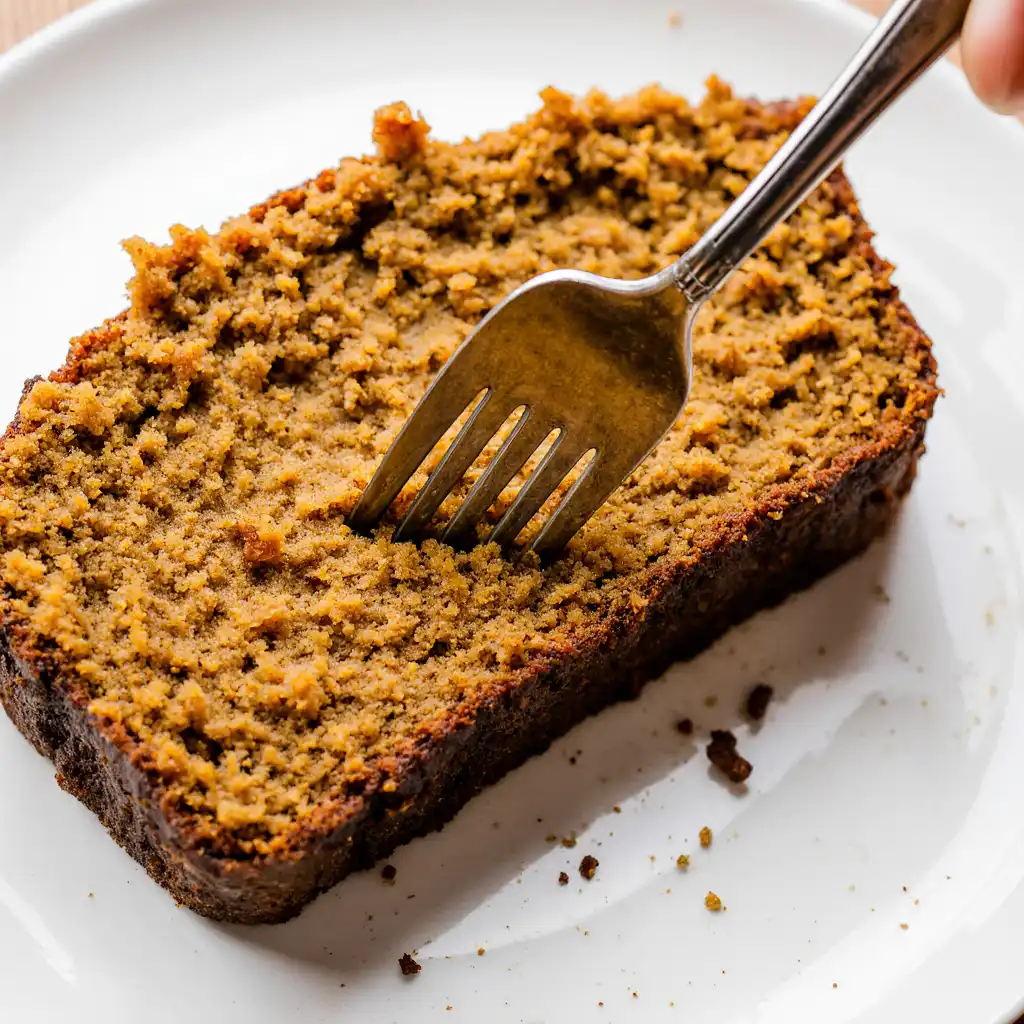
Dry, Crumbly Texture: Overbaking is the most common culprit, but inadequate fat content or old spices can also contribute. Use the toothpick test conservatively – a few moist crumbs are ideal, while a completely clean toothpick indicates overbaking. Store-bought spices lose potency over time, so replace ground spices annually for optimal flavor impact.
Uneven Rising or Lopsided Shape: This often results from uneven oven heat distribution or improper pan preparation. Rotate your pan halfway through baking if your oven has hot spots. Ensure your baking soda is fresh – it loses effectiveness after six months and can cause uneven rising patterns. The Food Lab’s guide to chemical leaveners provides excellent insights into how these ingredients work and when to replace them.
Soggy Bottom: Insufficient cooling time or inadequate oven temperature can create soggy bottoms. Always cool bread in the pan for 10 minutes before turning out, and ensure your oven rack is positioned in the lower third for proper bottom heat. A soggy bottom can also indicate underbaking – increase baking time by 5-10 minutes if this persists.
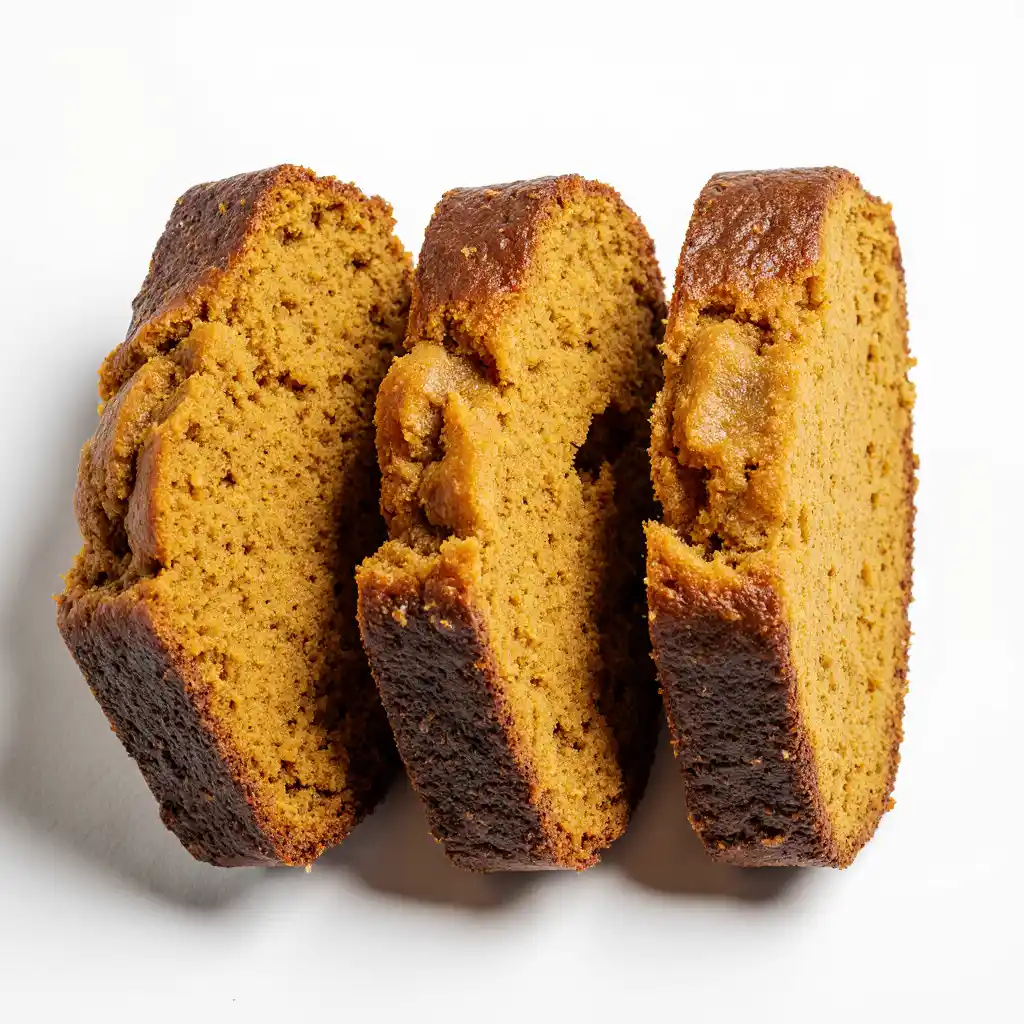
Storage and Serving Your Libby’s Pumpkin Bread
Proper storage techniques ensure your Libby’s Pumpkin Bread maintains its optimal texture and flavor for maximum enjoyment. The high moisture content from pumpkin puree makes this bread particularly susceptible to staleness if not stored correctly.
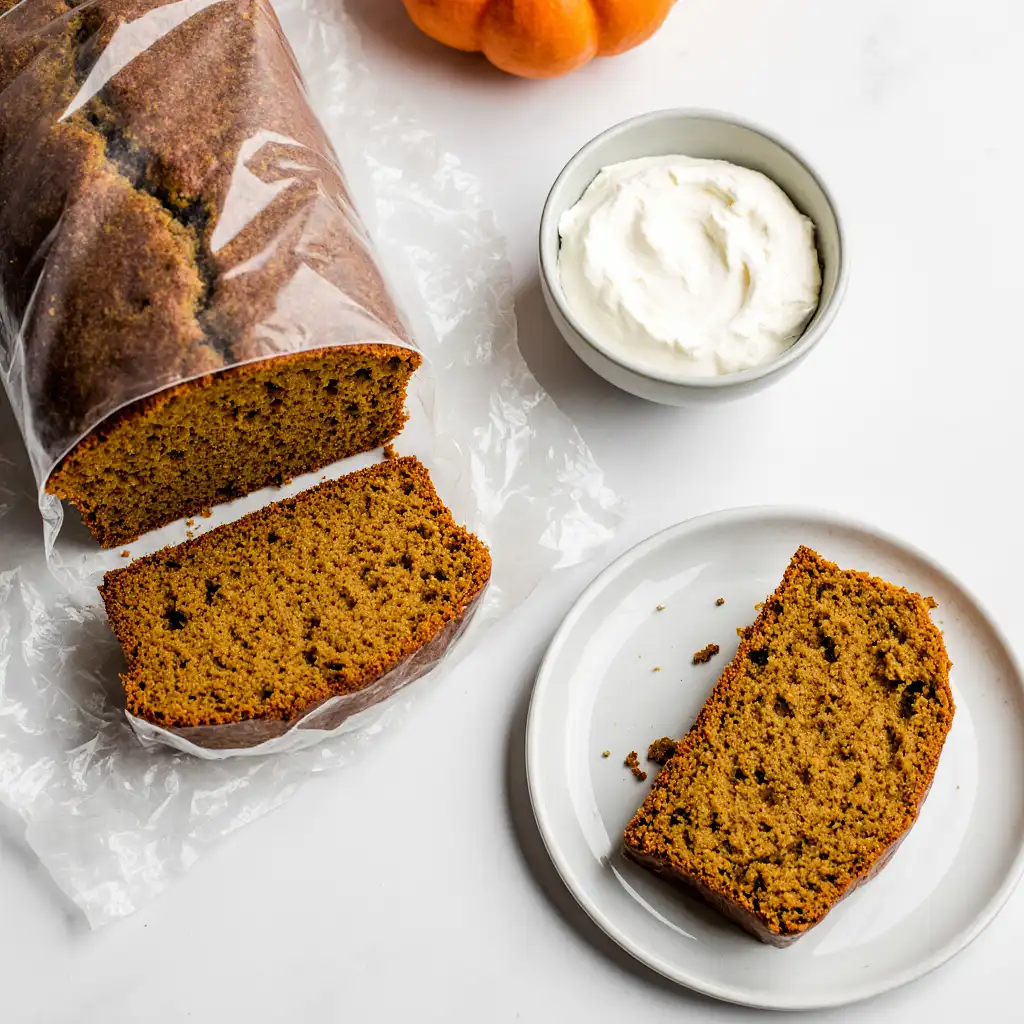
For short-term storage (up to 4 days), wrap the completely cooled loaf tightly in plastic wrap or aluminum foil, or store in an airtight container at room temperature. The bread actually improves after the first day as flavors meld and moisture redistributes throughout the crumb. Avoid refrigerating unless absolutely necessary, as cold temperatures accelerate staling in quick breads.
For longer storage, Libby’s Pumpkin Bread freezes exceptionally well for up to 3 months. Wrap the cooled loaf tightly in plastic wrap, then in aluminum foil or place in a freezer bag with air pressed out. Label with the date and freeze flat. To thaw, remove from freezer packaging and thaw at room temperature for 2-3 hours, or overnight in the refrigerator.
Individual slices can be frozen for grab-and-go convenience. Slice the loaf, separate pieces with parchment paper, and freeze in an airtight container. Frozen slices can be toasted directly from frozen or thawed in 15-20 minutes at room temperature.
Serving suggestions enhance the Libby’s Pumpkin Bread experience beautifully. Lightly toasted slices with butter create textural contrast and warm the spices. Cream cheese, either plain or enhanced with honey and cinnamon, provides rich complement to the bread’s earthiness. For an elegant presentation, serve thin slices alongside our coconut chia seed pudding for a sophisticated autumn brunch.
Wine pairings work surprisingly well with pumpkin bread. Late-harvest Riesling, with its natural sweetness and acidity, creates beautiful harmony with the spices, while a light Pinot Noir complements the earthiness without overwhelming the delicate pumpkin flavor.
Definitive FAQ for Libby’s Pumpkin Bread
Can I substitute fresh pumpkin puree for canned in Libby’s Pumpkin Bread?
While fresh pumpkin puree can be substituted, canned pumpkin puree is actually preferred for Libby’s Pumpkin Bread because of its consistent moisture content and concentrated flavor. Fresh pumpkin varies significantly in water content and sweetness depending on variety and growing conditions. If using fresh, roast sugar pie pumpkins, puree until smooth, and strain through cheesecloth for 2 hours to remove excess moisture. You may need to adjust liquid ratios accordingly.
Why does my Libby’s Pumpkin Bread crack on top, and how can I prevent it?
Surface cracking is actually normal and often desirable in quick breads, indicating proper rising and moisture release. However, excessive cracking can be minimized by creating a shallow depression down the center of the batter before baking, reducing oven temperature by 25 degrees and increasing baking time slightly, or covering with foil if cracking becomes extreme during baking.
How can I make my Libby’s Pumpkin Bread more moist?
Several techniques increase moisture retention in Libby’s Pumpkin Bread. Replace some oil with unsweetened applesauce (up to half), add 2-3 tablespoons of sour cream or Greek yogurt to the wet ingredients, or incorporate an extra egg yolk for richness. Avoid overbaking, which is the primary cause of dryness, and consider adding a simple syrup glaze while the bread is still warm.
What’s the best way to enhance the spice flavor in easy Libby’s pumpkin bread?
To intensify spice flavors, toast whole spices lightly in a dry pan before grinding, use freshly ground spices rather than pre-ground options, and consider adding a pinch of black pepper or cardamom for complexity. You can also steep the spices in the oil for 10 minutes before mixing, which releases more volatile compounds and creates deeper flavor integration. For those interested in expanding their spice knowledge, our herbs and spices guide provides comprehensive information on maximizing flavor impact.
Conclusion
Libby’s Pumpkin Bread remains a timeless autumn favorite that perfectly blends tradition, convenience, and rich, comforting flavor. With its simple ingredients and foolproof techniques, this recipe continues to bring warmth and joy to kitchens year-round. Whether baked in its classic form or enhanced with delightful variations, Libby’s Pumpkin Bread is an essential part of seasonal baking that satisfies both novice and experienced bakers alike. For the official recipe and more baking inspiration, visit Libby’s website




8 thoughts on “Libby’s Pumpkin Bread: The Definitive Guide to a Perfect Dish”