
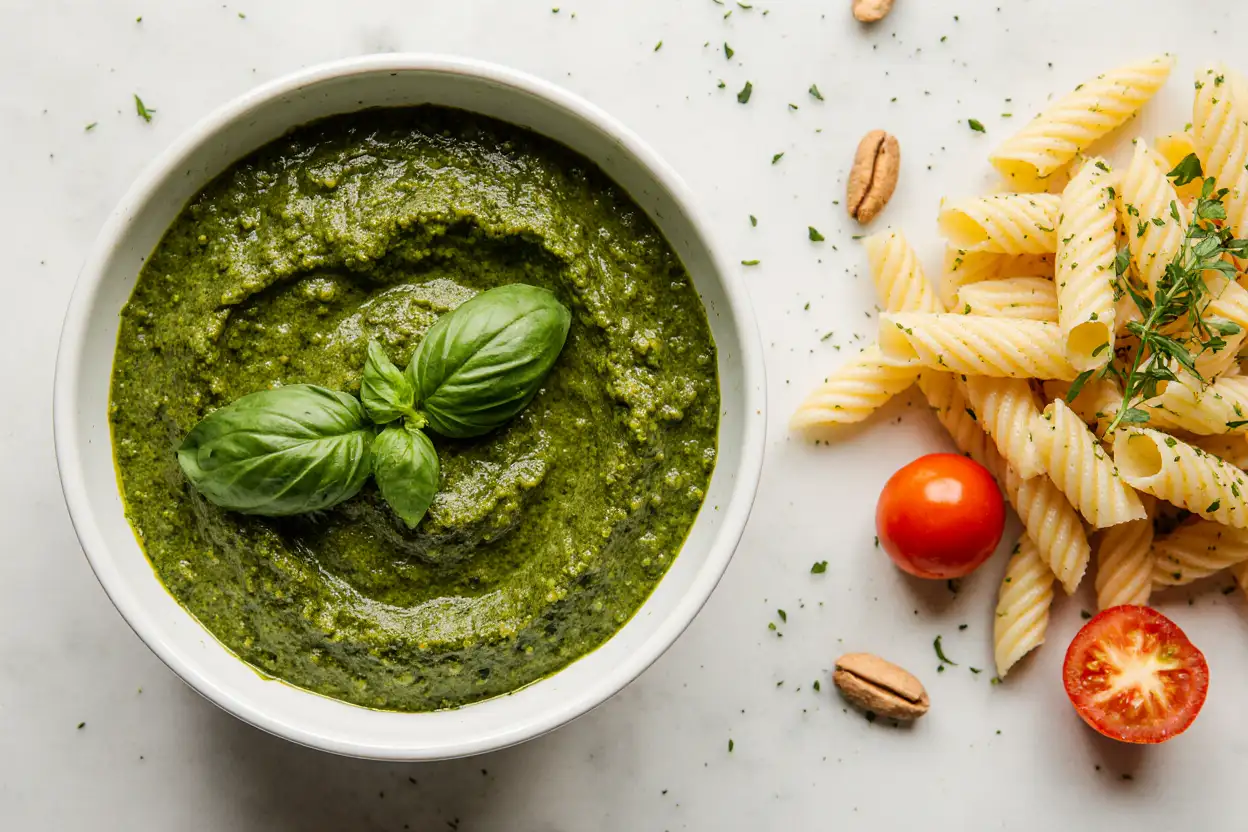
Low Calorie Pesto: A Fresh and Flavorful Twist
I’ll never forget my first real encounter with pesto. It wasn’t from a supermarket jar; it was in a tiny, family-run trattoria hidden in a Genoa cobblestone alley. A bowl of steaming trofie pasta arrived, and the waiter finished it tableside with a sauce so vibrantly green it seemed alive. One bite transported me—an explosion of fresh basil, rich Parmesan, pungent garlic, and the luxurious feel of high-quality olive oil. It was perfect, yet undeniably rich.
That meal left me wonderfully satisfied but also a little heavy. It felt like a “special occasion” dish, not something I could justify on a regular weeknight. That experience sparked a mission: to capture that breathtaking flavor without the calorie-laden guilt. I wanted pesto to become a versatile fridge staple, not just a restaurant indulgence.
This pursuit is at the heart of today’s culinary shift. We all seek that magic trifecta: meals that are quick, bursting with flavor, and supportive of our health goals. We draw inspiration from the Mediterranean diet—celebrating fresh vegetables, herbs, and healthy fats—but need it to fit modern, busy lives. The goal is to enjoy the essence of classic dishes in a way that leaves us energized, not weighed down. For anyone on a health journey, whether managing weight generally or specifically using tools like Zepbound, discovering flavorful, low-calorie staples is crucial for sustainable success.
Pesto’s Traditional Roots
Pesto, or pesto alla genovese, originates from Italy’s Liguria region, with the port city of Genoa as its proud birthplace. This classic sauce is a testament to simplicity, traditionally made with just seven ingredients: basil, garlic, pine nuts (pinoli), Parmigiano-Reggiano, Pecorino cheese, olive oil, and coarse salt. It was historically pounded by hand in a marble mortar (pestello), which gives the sauce its name. This method creates a rustic, textured condiment where the quality of each ingredient is paramount.
The Modern Shift Toward Healthier Recipes
The contemporary approach to cooking isn’t about stripping away flavor; it’s about intelligent, healthier substitutions. By leveraging the wide array of modern ingredients—from vitamin-packed greens to innovative vegan alternatives—we can create a pesto that honors its fresh, herbal spirit while dramatically reducing its calorie count. This evolution makes a beloved classic accessible for everyday enjoyment, aligning with a lifestyle that values both wellness and taste.
What Makes Pesto High or Low in Calories
To effectively lighten up pesto, we must first understand what contributes to the calorie count of the traditional version.
Traditional Pesto Breakdown: An Ingredient Analysis
The classic recipe is a masterpiece of fat-based flavor. The primary sources of calories are:
- Olive Oil: The foundation of the emulsion, but very calorie-dense.
- Nuts: Pine nuts are rich and flavorful but high in fat.
- Cheese: Parmesan and Pecorino add umami and saltiness but also add calories and saturated fat.
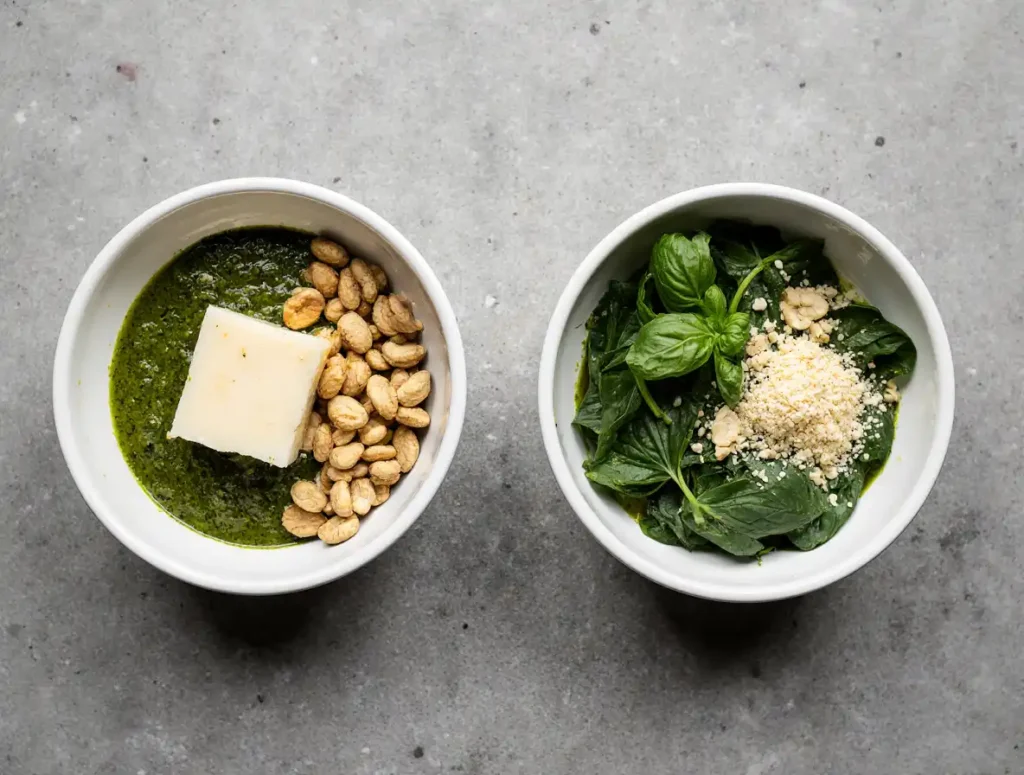
Here’s a rough calorie estimate per tablespoon of each core ingredient:
| Ingredient (1 tbsp) | Estimated Calories |
|---|---|
| Extra Virgin Olive Oil | 120 |
| Grated Parmesan Cheese | 22 |
| Pine Nuts | 57 |
| Basil & Garlic | 5 |
A standard two-tablespoon serving of traditional pesto can easily contain between 80-120 calories, and portion sizes often double or triple on a plate of pasta.
Hidden Calories in Store-Bought Jars
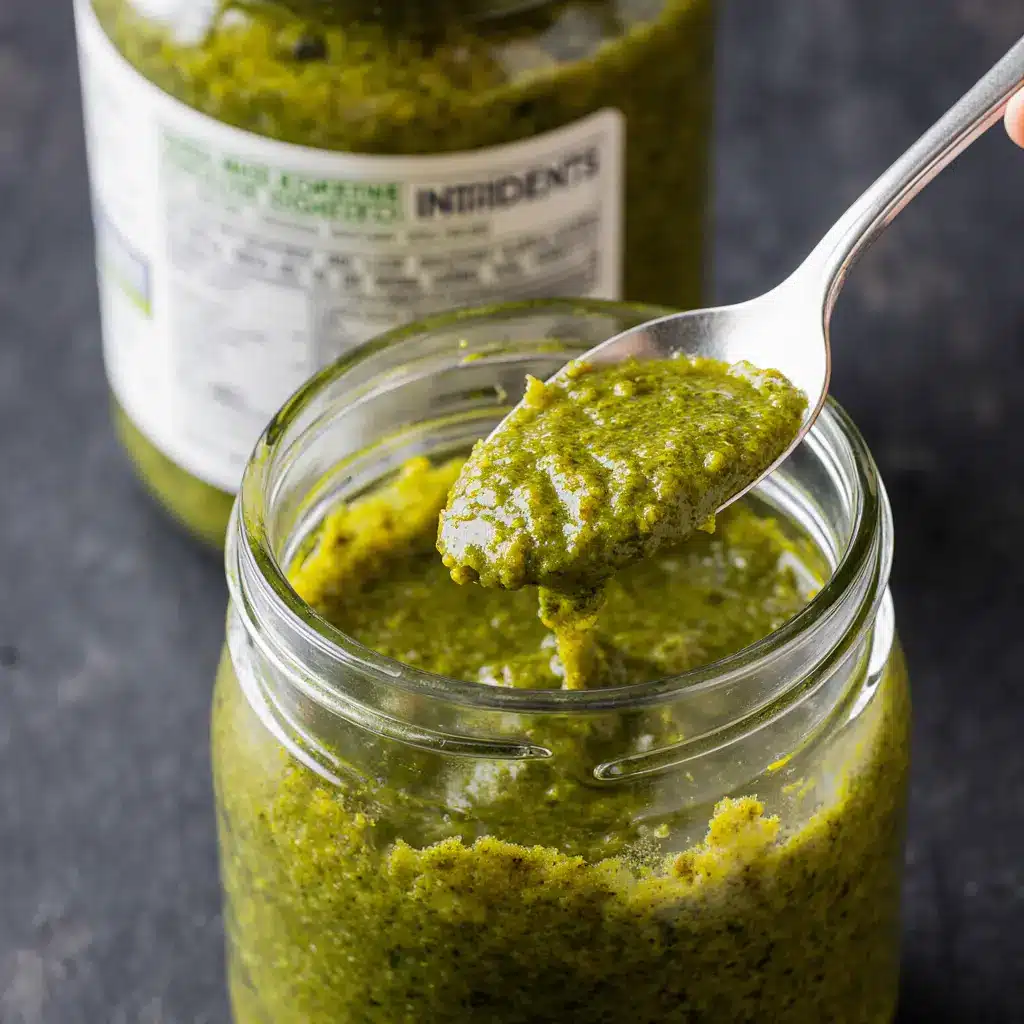
Convenience often comes at a cost. Supermarket pestos frequently amplify the calorie issue by using:
- More Oil: To improve shelf stability and texture.
- Cheaper Nuts: Like cashews, which can be higher in calories than pine nuts.
- Additives: Stabilizers, preservatives, and sometimes even sugar to enhance flavor and longevity.
- Misleading Portions: A “serving size” is often a mere tablespoon, far less than most people use.
Low Calorie Swaps Explained
The goal isn’t to eliminate fat but to use smarter, nutrient-dense ingredients that lower overall calorie density.
- Leafy Greens: Spinach, kale, or arugula bulk up the volume for minimal calories, preserving the vibrant color while adding vitamins and fiber.
- Zucchini: Steamed or roasted zucchini creates a remarkably creamy, spreadable base that significantly cuts the need for oil, adding volume with a neutral flavor.
- Nutritional Yeast: This is a superstar vegan swap for cheese, providing a savory, “umami,” cheesy flavor for a fraction of the calories and is naturally fat-free.
- Greek Yogurt: For a creamy, tangy, and protein-packed pesto, a dollop of plain Greek yogurt creates a rich texture similar to a cream-based sauce.
- Hemp Seeds: While still calorie-dense, hemp seeds offer more protein and omega-3s than pine nuts, meaning you can use less for a bigger nutritional payoff.
Balancing Fats vs Flavor: A Crucial Equation
It’s vital to remember that fat is not the enemy. Healthy fats from olive oil, nuts, and seeds are crucial for absorbing fat-soluble vitamins and for promoting satiety. The key is mindful portion control. Using a smaller amount of high-quality extra virgin olive oil is far better than using a larger quantity of a flavorless oil. The strategy is to use just enough fat for flavor and rely on other ingredients (greens, veggies) for the bulk of the sauce’s body.
How to Make Low Calorie Pesto: A Step-by-Step Guide
Ready to create your own? This base recipe is flexible and designed for experimentation.
Step-by-Step Homemade Recipe
Lighter Basil-Spinach Pesto
- Prep Time: 10 minutes
- Total Time: 10 minutes
- Yield: About 1 cup
Ingredients:
- 2 cups fresh basil leaves, packed
- 1 cup fresh baby spinach, packed
- 2 cloves garlic
- 3 tbsp pine nuts or walnuts (toast for deeper flavor!)
- ¼ cup grated Parmesan cheese (or 3 tbsp nutritional yeast for vegan)
- 2 tbsp fresh lemon juice
- 3-4 tbsp extra virgin olive oil
- 3-4 tbsp water or low-sodium vegetable broth
- Sea salt and black pepper to taste
Instructions:
- Combine Dry Ingredients: In the bowl of a food processor, combine the basil, spinach, garlic, nuts, and Parmesan/nutritional yeast. Pulse until the ingredients are finely chopped.
- Add Liquids: Scrape down the sides. With the processor running, stream in the lemon juice, olive oil, and 3 tablespoons of water or broth.
- Emulsify: Process until smooth. If the pesto is too thick, add the remaining tablespoon of liquid until your desired consistency is reached.
- Season: Season generously with salt and pepper. Pulse to combine.
- Adjust: Taste and adjust seasonings—perhaps more lemon for tang or more salt to make the flavors pop.
Delicious Variations to Try
- Kale-Walnut Pesto: Swap basil for destemmed kale and pine nuts for walnuts. It’s heartier and perfect for autumn dishes.
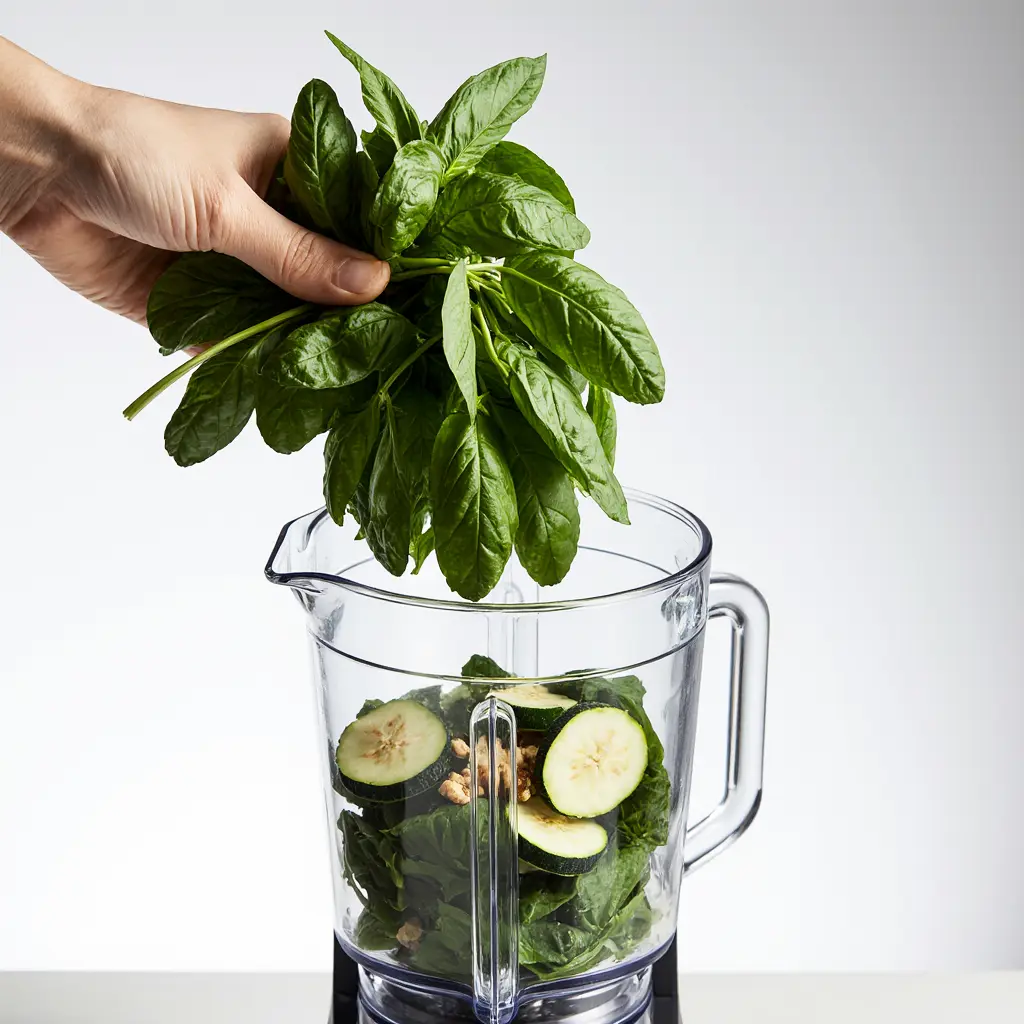
- Zucchini-Basil Pesto: Add ½ cup of cooked, cooled, and squeezed-dry zucchini to the base recipe. You can reduce the oil to just 1-2 tablespoons.
- Vegan “Creamy” Pesto: Use nutritional yeast and add 2 tablespoons of unsweetened plain almond milk or silken tofu for creaminess.
- Greek Yogurt Pesto: Follow the base recipe and stir in ¼ cup of plain Greek yogurt at the end for a protein-rich, creamy spread.
Pro Tips for a Healthier Outcome
- Freezing for Freshness: Pour pesto into an ice cube tray, freeze solid, then transfer the cubes to a freezer bag. Grab a cube or two for a quick pasta lunch or to flavor soups and simple healthy recipes
- .
- Reducing Oil Smartly: Always use water or broth to thin the pesto first before adding more oil. The acidity from lemon juice also helps create a looser emulsion.
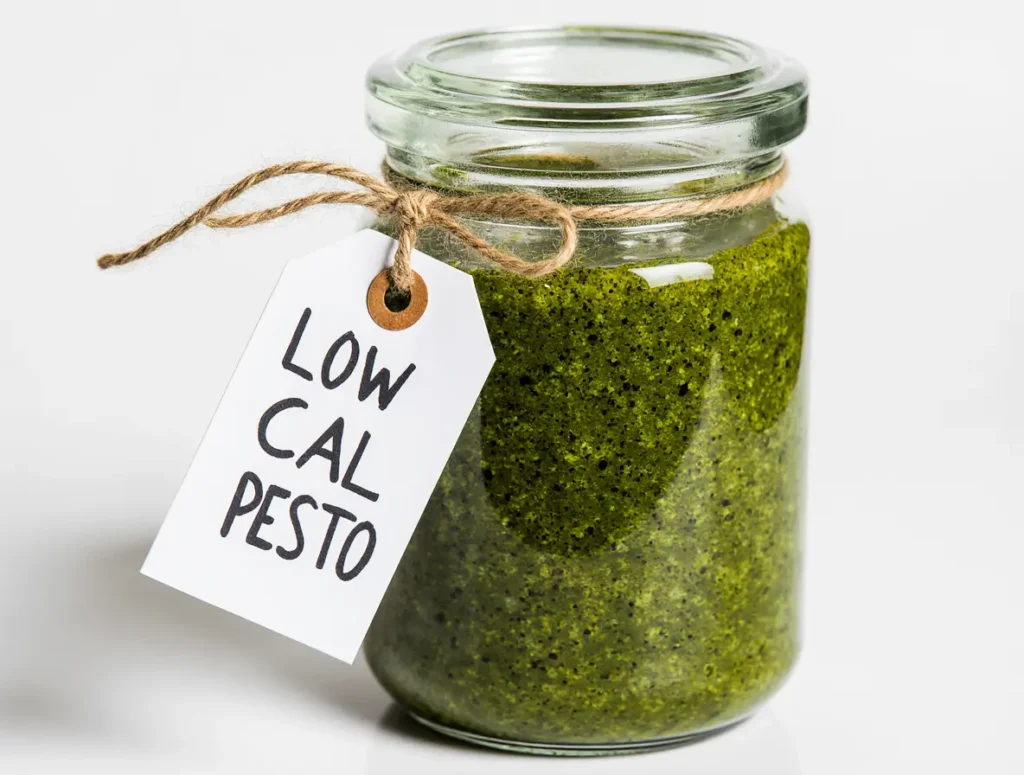
- Storing Correctly: Keep in an airtight jar in the fridge for up to 5 days. Press a piece of plastic wrap directly onto the surface of the pesto to prevent oxidation and browning.
Serving Suggestions: Beyond Pasta
Your low-calorie pesto is incredibly versatile! Here’s how to use it:
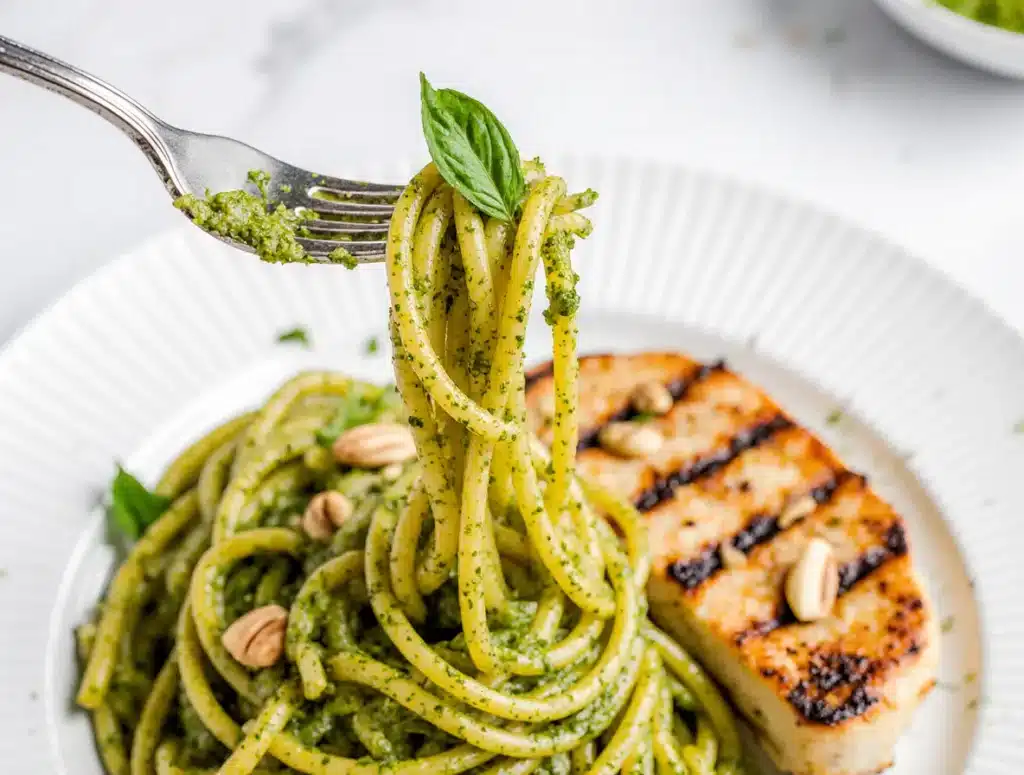
- Pasta & Zoodles: Toss with whole wheat pasta, zucchini noodles, or chickpea pasta.
- Proteins: Use as a marinade for chicken or fish, or dollop on top of grilled chicken or asado chicken with lemon zucchini.
- Sandwiches & Wraps: A spread of pesto is far more flavorful and healthy than mayo.
- Grain Bowls: Swirl into quinoa, farro, or rice for an instant flavor boost.
- Vegetables: Toss with roasted vegetables or use as a dip for raw veggie sticks.
Ingredient Substitution Guide
| Traditional Ingredient | Lower-Calorie Swap | Flavor Note | Calorie Impact |
|---|---|---|---|
| All Basil | 1/2 Basil, 1/2 Spinach | Milder, slightly sweeter | Lower |
| Pine Nuts | Walnuts | Earthier, more robust | Slightly Lower |
| Parmesan Cheese (1/2 cup) | Nutritional Yeast (1/3 cup) | Cheesy, umami, nutty | Significant Lower |
| All Olive Oil (1/2 cup) | 1/4 cup Olive Oil + 1/4 cup Greek Yogurt | Creamy, tangy, protein boost | Significant Lower |
| – | Steamed Zucchini (1/2 cup) | Adds creaminess, neutral flavor | Significant Lower |
Pesto vs. Tomato Sauce: A Nutritional Showdown
| Sauce | Calories (per ¼ cup) | Fat (g) | Protein (g) | Carbs (g) |
|---|---|---|---|---|
| Traditional Pesto | ~200 | 20 | 5 | 3 |
| Low-Calorie Pesto (approx.) | ~80 | 6 | 4 | 4 |
| Basic Marinara Sauce | ~40 | 1 | 2 | 6 |
Best Occasions for a Lighter Pesto
A lightened-up pesto is perfect for everyday meals. Use it when you want a burst of herbaceous flavor without the heaviness—drizzled over eggs for breakfast, as a sandwich spread at lunch, or as a light sauce for a weeknight dinner. It’s ideal for meal prepping and pairs wonderfully with lean proteins and vegetables.
FAQs
How do you make low calorie pesto?
The key is to bulk up the sauce with low-calorie ingredients like spinach, zucchini, or kale and to use less oil and cheese. Replace some of the oil with water, lemon juice, or broth for consistency.
How do you make low calorie pesto sauce?
Follow the same principle. Using a base like Greek yogurt or blanched zucchini can create a very creamy, sauce-like texture without the high fat content of a traditional oil-based sauce.
Is pesto low calorie?
Traditional pesto is not considered low-calorie due to its high content of olive oil, nuts, and cheese. However, by making the smart swaps outlined in this article, you can create a delicious low-calorie version.
Is pesto lower in calories than tomato sauce?
Typically, no. A traditional marinara or tomato-based sauce is usually lower in calories and fat than traditional pesto. However, a low-calorie pesto can be comparable to or even lower than some creamy tomato sauces.
Can you make pesto without oil?
Yes, though the texture will be more of a paste. Use vegetable broth or the water from cooking pasta to thin it out. Since fat carries flavor, you may need to increase other ingredients like lemon juice, salt, and garlic.
What’s the lowest calorie nut for pesto?
While all nuts are calorie-dense, almonds and walnuts have slightly fewer calories per ounce than pine nuts or macadamia nuts. The best strategy is to use a smaller amount of your preferred nut and bulk up the recipe with greens.
How do you store low calorie pesto for longer freshness?
The key is preventing oxidation (browning). Press plastic wrap directly on the surface before sealing the container. A thin layer of olive oil on top can also act as a barrier. It will keep for 4-5 days in the fridge or 3 months in the freezer.
Is low calorie pesto kid-friendly?
Absolutely! The vibrant green color can be fun. The flavor is generally a hit with kids who like cheese and pasta. You can start with a milder version using less garlic and more spinach.
Conclusion: Embrace the Versatility of Lighter Eating
Low-calorie pesto proves that eating healthily never means sacrificing flavor. It’s a celebration of creativity and smart cooking. By understanding the role of each ingredient, you can confidently create a pesto that fits your nutritional goals and excites your taste buds. This versatile sauce can transform simple ingredients into extraordinary meals.
Don’t hesitate to experiment with different herb and green combinations. Your blender is your playground for creating custom, healthy condiments. Once you master the basic formula, a world of fresh, flavorful possibilities opens up. For more inspiration on creating balanced, delicious meals that support your wellness goals, explore our collection of <a href=”https://wecookrecipe.com/simple-healthy-recipes/” target=”_blank” rel=”noopener”>simple healthy recipes</a>.




3 thoughts on “Low Calorie Pesto : A Fresh and Flavorful Twist”