
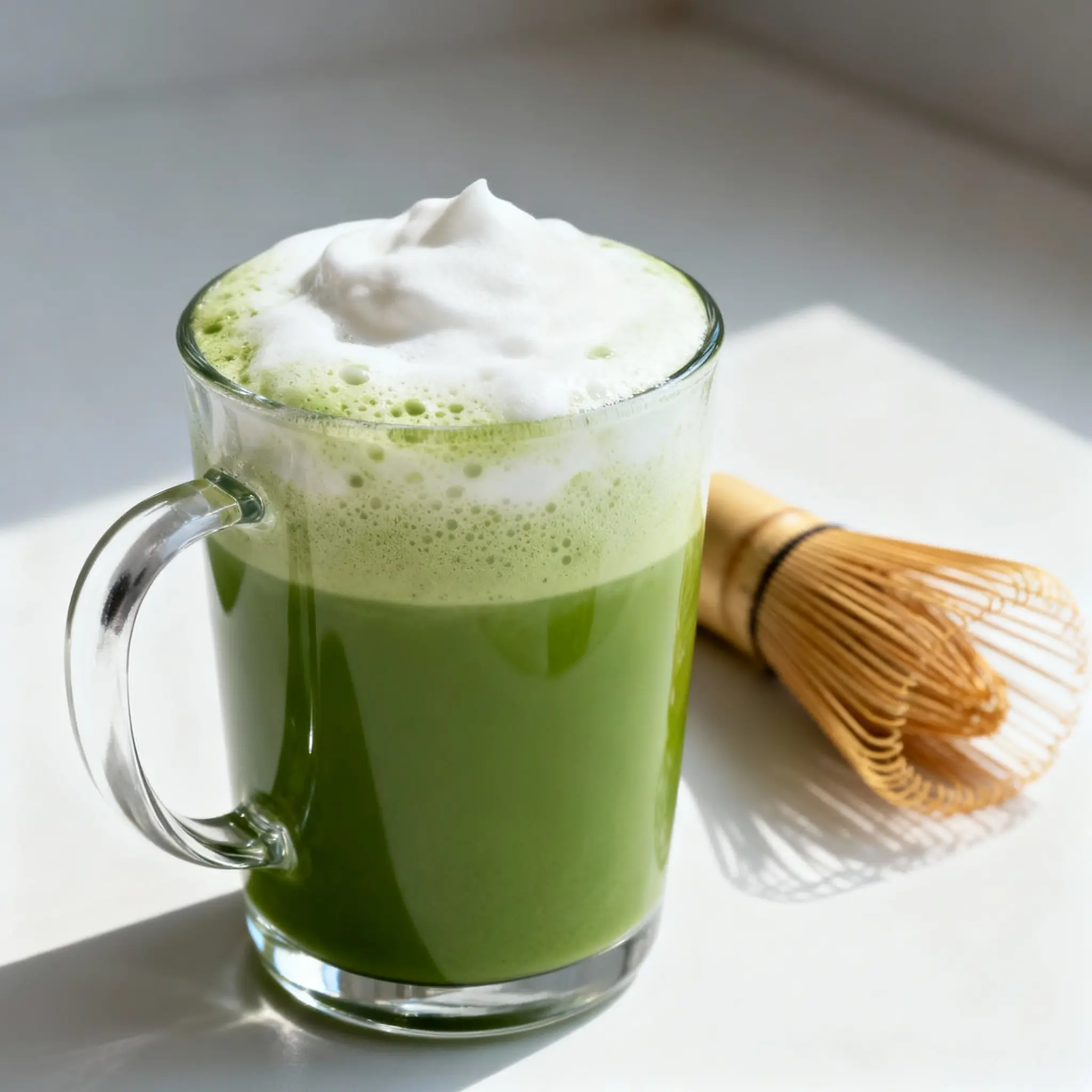
Ditch the coffee jitters and embrace a morning ritual that provides calm, sustained energy. While many reach for a cup of Proffee (Protein Coffee) or a trendy Blueberry Cloud Coffee to start their day, this guide will teach you how to make a perfect, barista quality matcha tea or latte at home in just five minutes. Forget the bitter, clumpy matcha you may have tried before; this method ensures a smooth, frothy, and delicious cup every single time.
| Perfect Matcha Tea Recipe | ||||
| Prep time: 2 minutes | Cook time: 3 minutes | Total time: 5 minutes | Servings: 1 serving | Difficulty: Easy |
Why You’ll Love This Barista Quality Matcha Recipe
This isn’t just another matcha tea recipe. It’s a comprehensive guide to mastering matcha, designed to transform your morning routine from a caffeine rush into a mindful moment. It moves beyond a simple list of steps to explain the why behind the technique, ensuring you get a perfect cup whether you’re a seasoned matcha drinker or a curious beginner. You’ll learn not just the “how” but also how to troubleshoot common issues and customize your matcha tea recipe to perfection, creating a beverage that rivals those from high end American cafes.
What Is Matcha? More Than Just Green Tea
Matcha is a finely ground powder of specially grown and processed green tea leaves (Camellia sinensis), with deep roots in traditional Japanese tea ceremonies. Unlike regular green tea where you steep and discard the leaves, a matcha tea recipe involves consuming the entire leaf. This means you receive 100% of its nutrients, including powerful antioxidants like Epigallocatechin Gallate (EGCG), making it one of the most potent and beneficial green teas available.
From Shaded Leaves to Vibrant Powder
The Camellia sinensis plants destined to become the main ingredient in a premium matcha tea recipe are shade-grown for about three to four weeks before harvest. This essential cultivation method, which involves covering the tea bushes to block direct sunlight, forces the plant to overproduce chlorophyll and is responsible for matcha’s signature vibrant green color. More importantly, this shading process boosts the production of amino acids, especially L-theanine, the unique compound responsible for the “calm alertness” effect that sets matcha apart from all other teas and caffeinated drinks.
Ceremonial vs. Culinary Grade: Which One Should You Buy?
Understanding the difference between ceremonial and culinary grade matcha is the most critical choice you’ll make when preparing a matcha tea recipe. Ceremonial grade is the pinnacle of quality, made from the youngest, most tender tea leaves harvested during the first flush (ichibancha). These leaves have the veins and stems meticulously removed, resulting in a superfine powder with a vibrant green color and a delicate, sweet umami flavor ideal for drinking as tea or in lattes. Culinary grade, on the other hand, is made from later harvests, making it more robust and slightly bitter.
This stronger flavor profile is specifically designed to stand up to other ingredients, making it best reserved for baking and smoothies. For the best drinking experience, always invest in a quality ceremonial grade matcha.
The Science Backed Health Benefits of Matcha
Matcha is celebrated as a superfood, and for good reason. Its unique nutritional profile offers a range of science backed benefits. It is a cornerstone of many anti inflammatory diets.
Perfect Matcha Tea
This quick 5-minute matcha tea recipe delivers a smooth, frothy, and calming energy boost without the jitters of coffee. Using high-quality ceremonial grade matcha, the drink is whisked into a silky paste and finished with water or milk for a barista-level experience at home.
- fine mesh sieve
- bamboo whisk (chasen) or handheld milk frother
- chawan (bowl) or mug
- measuring spoon
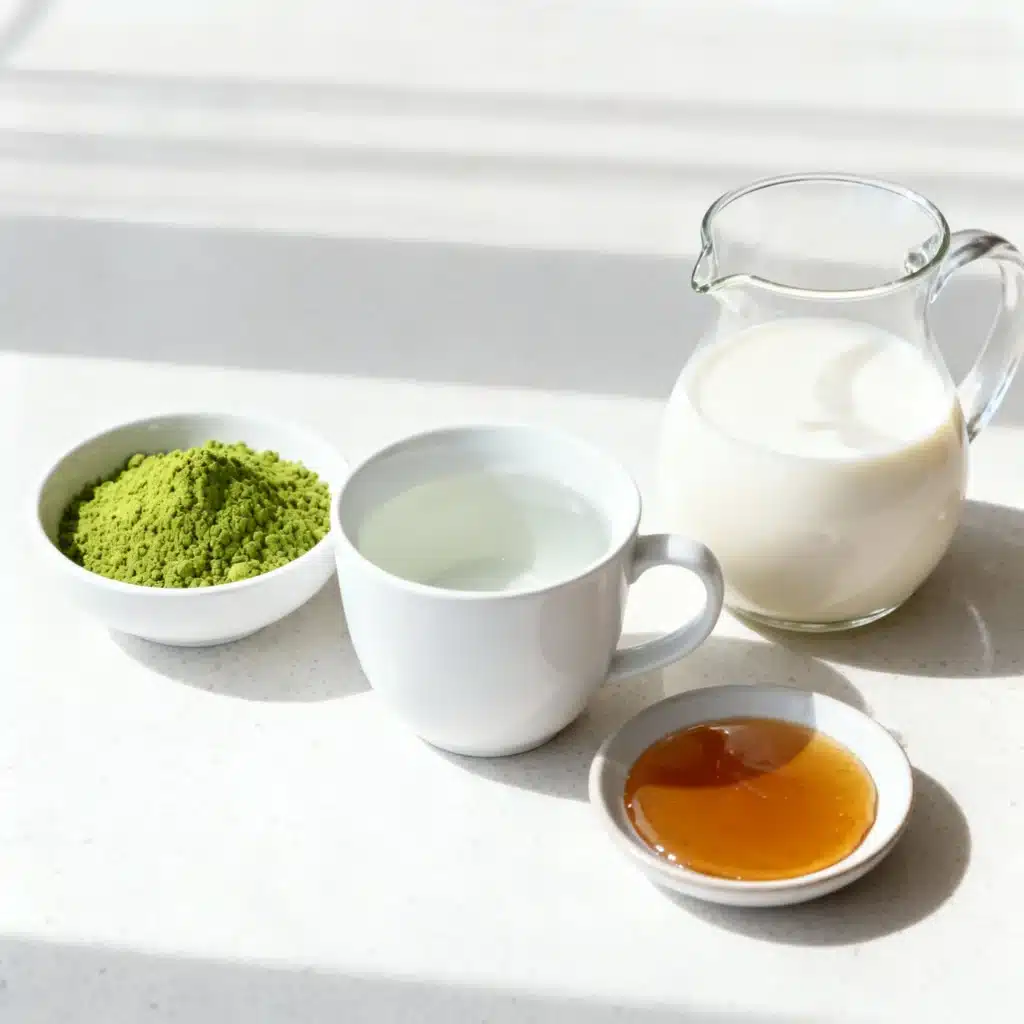
- 1–2 tsp ceremonial grade matcha powder
- 60 ml hot water (175°F/80°C)
- 180 ml milk of choice (optional, for latte)
- 1–2 tsp maple syrup or honey (optional)
Sift 1–2 teaspoons of matcha powder into a bowl or mug through a fine mesh sieve.

Pour in 60 ml (2 ounces) of hot water at 175°F (80°C).
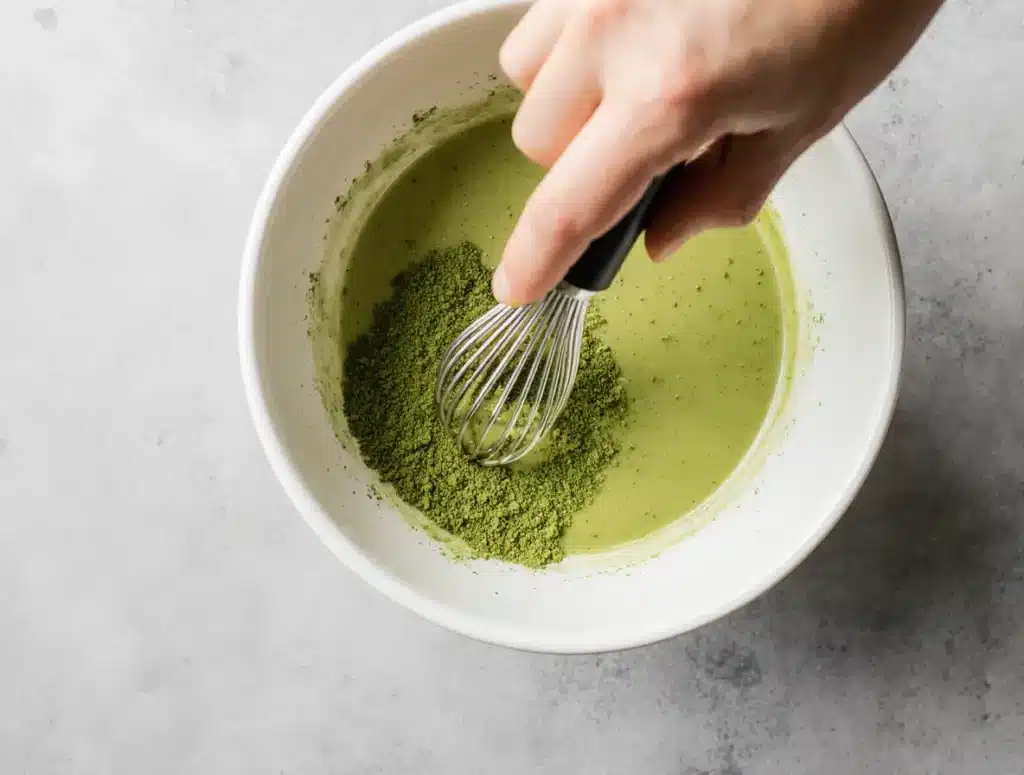
Whisk rapidly in a ‘W’ or ‘M’ motion with a bamboo whisk or milk frother for 20–30 seconds until frothy.
Top with more hot water for traditional tea or 180 ml of steamed/cold milk for a latte. Sweeten with maple syrup or honey if desired.
Use ceremonial grade matcha for best flavor and color. Always sift the powder to avoid clumps. If your matcha tastes bitter, your water may be too hot—aim for 175°F (80°C). For a creamy latte, add steamed or frothed milk and a touch of honey or maple syrup. Store opened matcha in the fridge in an airtight container and use within 2 months for maximum freshness.
A Powerhouse of Antioxidants (EGCG)
A key health benefit of a matcha tea recipe comes from its dense concentration of antioxidants. Specifically, matcha is loaded with powerful plant compounds called catechins, and it has an exceptionally high concentration of Epigallocatechin Gallate (EGCG). Because you consume the entire leaf, you ingest significantly more of this potent antioxidant compared to brewed green tea. EGCG is a compound that has been extensively studied for its ability to fight free radicals and protect cells from oxidative stress. According to a study on the health benefits of matcha published by the National Institutes of Health, these compounds may help reduce inflammation and play a role in preventing chronic diseases.
Calm, Focused Energy: The Magic of L Theanine
While matcha contains caffeine, it is paired with a high dose of the amino acid L Theanine. L Theanine promotes the production of alpha waves in the brain, inducing a state of relaxation and mental clarity without drowsiness. This synergy, as noted by the Harvard T.H. Chan School of Public Health, provides a sustained, calm alertness—a “zen” focus—without the jitters or energy crash associated with coffee.
Boosting Metabolism and Brain Function
The potent combination of caffeine and EGCG in matcha has been shown to give a gentle boost to metabolism and increase fat oxidation, which is why some people incorporate it into their weight loss journey. Furthermore, studies indicate that L theanine can enhance cognitive function, improving memory, attention, and reaction time, making it the perfect fuel for a productive day.
Ingredients for the Perfect Cup
- Ceremonial Grade Matcha Powder: 1–2 teaspoons. Look for a vibrant, spring green powder; dull or yellowish matcha is a sign of poor quality or age.
- Hot Water (Not Boiling): 2 ounces (¼ cup). The ideal temperature to avoid bitterness is around 175°F (80°C).
- Milk & Sweetener (Optional): For a latte, you’ll need ¾ cup of your milk of choice (oat milk and almond milk are fantastic vegan options). For a touch of sweetness, consider 1-2 teaspoons of maple syrup or honey. Our Hot Honey Recipe can also add a unique, spicy sweet kick.
Essential Equipment: From Traditional to Modern
While traditional tools offer an authentic experience, you can still make great matcha with common kitchen gadgets.
The Traditional Method: Bamboo Whisk (Chasen) and Bowl (Chawan)
A chasen is a bamboo whisk with over 80 prongs, specifically designed to break up clumps and aerate the tea to create a rich, stable froth. A wide, flat-bottomed chawan (bowl) provides the necessary space for proper whisking.
The Modern Method: Handheld Milk Frother
A small, battery operated milk frother is an excellent and affordable alternative. It’s highly effective at dissolving the powder and creating a decent foam, making it perfect for lattes.
No Whisk? No Problem: Shaker Jar Method
In a pinch, you can add matcha powder and water to a small, tightly sealed jar (like a jam jar) and shake vigorously for 30 seconds. This method is great for making iced matcha on the go.
How to Make Matcha Tea: A Step-by-Step Guide
- Sift Your Matcha: Add 1-2 teaspoons of matcha powder to a small bowl or mug through a fine mesh sieve. Do not skip this step. It is the secret to a silky smooth, clump free drink.
- Create the Matcha Paste: Pour in the 2 ounces of hot (175°F/80°C) water.
- Whisk Vigorously: Using a bamboo whisk or milk frother, whisk rapidly in a ‘W’ or ‘M’ shaped motion for about 20-30 seconds until the matcha is completely dissolved and a layer of fine, creamy foam (microfoam) covers the top. Avoid a circular stirring motion, as this won’t create the necessary aeration for a frothy matcha.
- Top with Water or Steamed Milk: For a traditional tea, add more hot water. For a delicious matcha latte, add ¾ cup of steamed or cold milk. Sweeten to taste, if desired
Pro Tips for a Flawless Matcha Every Time
- Warm Your Bowl: Before starting, rinse your chawan or mug with hot water to warm the vessel and help maintain the matcha’s temperature.
- Soak Your Chasen: If using a bamboo whisk, soak the prongs in hot water for a minute before use. This softens the bamboo, making it more flexible and less prone to breaking.
Matcha vs. Coffee: Which Morning Ritual Is Right for You?
The battle for the ultimate morning drink is fierce. On one side, you have the robust, energizing power of coffee. On the other, the calm, focused energy of matcha. While both offer a caffeine boost, the experience and health benefits they provide are vastly different. So, which one should you choose for your daily ritual?
This definitive breakdown will help you decide.
| Feature | Matcha | Coffee |
|---|---|---|
| Energy Release | Calm & Sustained: Thanks to L theanine, matcha provides a slow, steady release of energy for 3–6 hours with no crash. | Fast & Intense: Coffee delivers a powerful, immediate spike of energy that typically lasts 1–3 hours and can lead to a “caffeine crash.” |
| Anxiety & Jitters | Reduces Anxiety: L theanine promotes relaxation and focus, counteracting the negative side effects of caffeine. Most people report no jitters. | Can Cause Jitters: The rapid caffeine spike can often lead to feelings of anxiety, restlessness, and jitters, especially in sensitive individuals. |
| Health Benefits | Antioxidant Powerhouse: Packed with EGCG catechins, it’s a superfood known for its anti inflammatory and metabolism boosting properties. | Rich in Antioxidants: Coffee is also a good source of antioxidants and has been linked to various health benefits. |
| Acidity & Digestion | Alkaline & Gentle: Matcha is alkaline and much gentler on the digestive system and tooth enamel. | Highly Acidic: Coffee is acidic and can sometimes cause digestive discomfort or acid reflux in some people. |
| The Ritual | Mindful & Meditative: The act of sifting and whisking matcha is a calming, mindful process that prepares your mind for the day. | Quick & Convenient: The ritual is often about speed and convenience—brewing a quick cup to get the day started fast. |
The Verdict: Who Wins?
- Choose Matcha if: You want sustained energy without the crash, a sharper focus for work or creative tasks, and a gentle, mindful start to your day. It’s the ideal choice if you are sensitive to coffee or looking to reduce anxiety.
- Choose Coffee if: You need a powerful, immediate jolt of energy to wake up quickly and you enjoy the bold, roasted flavor. For a protein packed coffee boost, you might enjoy our Proffee Recipe.
Why Not Both?
There’s no rule saying you have to choose! Many people enjoy coffee in the early morning for its powerful kick and a cup of matcha in the afternoon for a smooth, focused boost to beat the 2 PM slump without affecting their sleep.
We want to hear from you! Are you Team Matcha or Team Coffee? Let us know in the comments below!
Common Mistakes and How to Fix Them (Troubleshooting Guide)
“Why Is My Matcha Bitter?” – The Water Temperature Problem
This is the #1 mistake. Your water is too hot. Let boiled water sit for a minute to cool down. Using too much matcha powder can also cause bitterness.
“Why Won’t My Matcha Froth?” – Whisking Technique and Freshness
Ensure you’re whisking in a quick zigzag pattern, not stirring. If your technique is correct, your matcha powder may be old. Fresh matcha is key for a good foam.
“Why Is My Matcha Clumpy?” – The Importance of Sifting
If you have clumps, you skipped the sifting step. No matter how well you whisk, unsifted matcha will not dissolve completely.
7 Delicious Matcha Recipe Variations
Once you’ve mastered the basic recipe, get creative! For another seasonal favorite, check out our Pumpkin Spice Recipe.
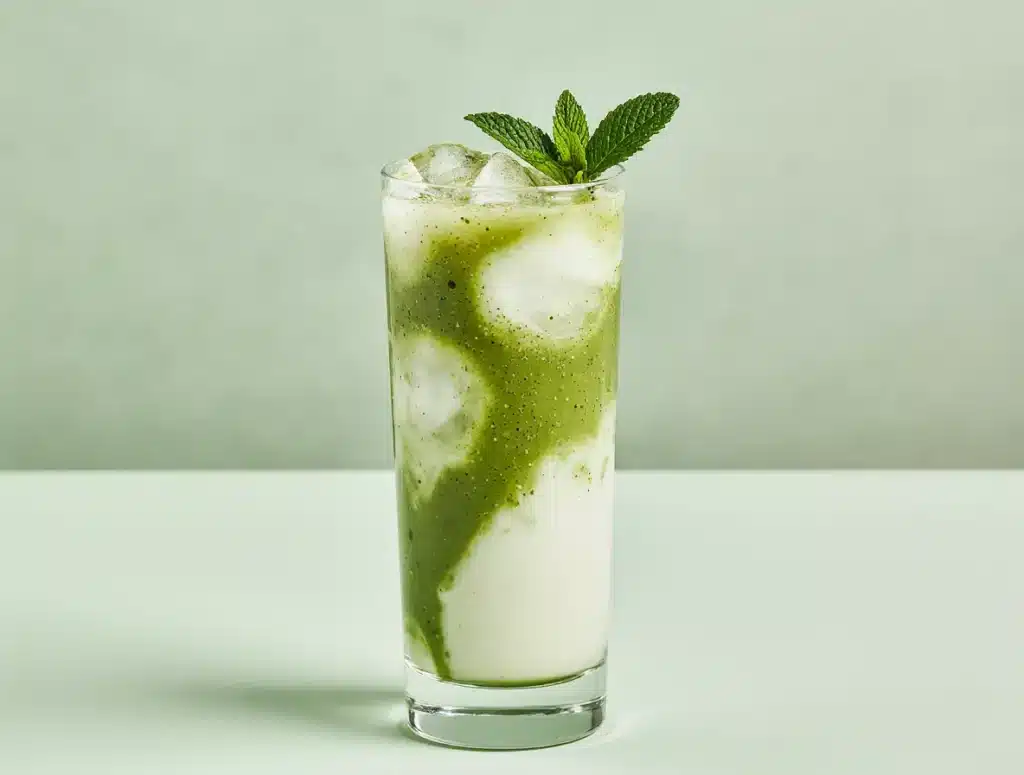
- Iced Matcha Latte: Prepare the matcha shot, pour over ice, and top with cold milk.
- Strawberry Matcha Latte: Muddle fresh strawberries in a glass, add ice and milk, then pour the matcha shot on top for a layered look.
- Keto Matcha Latte: Use unsweetened almond milk, a keto friendly sweetener, and a teaspoon of MCT oil for extra fats.
- Refreshing Matcha Lemonade: Pour a matcha shot over ice and top with lemonade. Try it with our Brazilian Lemonade Mocktail for a creamy twist.
- Vegan Oat Milk Matcha Latte: Oat milk creates a creamy foam, making it a perfect dairy free option.
- No Churn Matcha Ice Cream: Use your matcha powder to make our simple No Churn Matcha Ice Cream Recipe.
Storing, Prepping, and Serving
How to Store Matcha to Keep It Fresh
Matcha is perishable. Once opened, store it in an airtight container in the refrigerator to protect its color, flavor, and nutrients. Aim to use it within two months. If it loses its vibrant green color, it has oxidized.
Meal Prep Matcha: A Weekly Concentrate
Whisk a larger batch (e.g., 4 tsp matcha with ½ cup water) and store it in a sealed jar in the fridge for up to 5 days. Mix with hot water or milk for a quick drink.
Serving Suggestions and Food Pairings
Matcha pairs well with our Coconut Chia Seed Pudding Recipe or light pastries.
Frequently Asked Questions (FAQ)
How much caffeine is in matcha?
A serving has 35-70mg of caffeine, but L theanine provides a slow, steady energy release without jitters.
Can I make matcha without a whisk?
Yes, a handheld milk frother is a great alternative. You can also shake it in a sealed jar.
Should I add sweetener to matcha?
It’s personal preference. A touch of maple syrup or honey can balance the flavor for beginners.
What is the difference between matcha and green tea?
With matcha, you consume the whole leaf, getting more nutrients than from steeped green tea.
What does matcha taste like?
High quality matcha is smooth with savory *umami* notes and a subtly sweet finish, not bitter.
Related Recipes You’ll Enjoy
Your New Morning Ritual Awaits
Mastering the art of matcha is more than just learning a recipe—it’s about creating a moment of calm and focus in your busy day. By understanding the importance of quality ingredients, correct water temperature, and proper technique, you can leave bitter, clumpy matcha behind for good. You’re now equipped to craft a perfect, frothy, and delicious cup that nourishes your body and sharpens your mind.
Have you tried making matcha at home? What’s your favorite way to enjoy it—as a traditional tea or a creamy latte? Share your experience in the comments below!




4 thoughts on “How to Make Perfect Matcha Tea: A 5 Minute Recipe for Calm Energy”